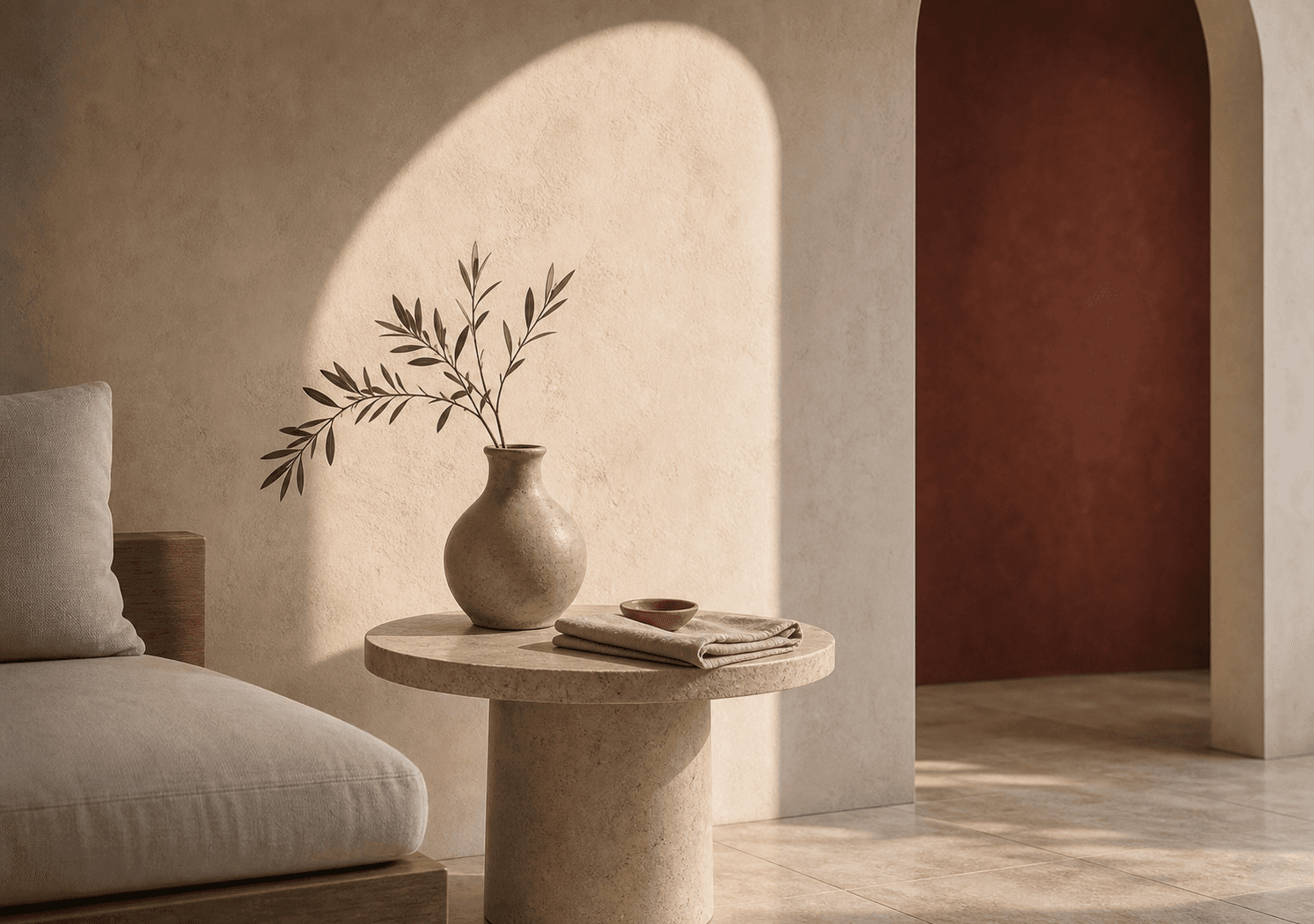
Hospitality has become a study in pace. Guests arrive carrying more noise than luggage: notifications, options, comparisons, and the quiet exhaustion of always being reachable.
The strongest hospitality brands respond with restraint. They remove small frictions, use language sparingly, and give the guest a clear sense of what the place believes.
The brands that understand this are designing for emotional arrival as much as physical arrival. They know the first impression starts before the guest reaches the door.
The new luxury of hospitality is not being impressed. It is being understood.
Stillness as a Service
Stillness is not a visual style. It is an operational choice. It shows up in how guests book, arrive, ask questions, and recover from a mistake.
A quiet brand can still be commercially strong. In fact, clarity often improves conversion because it lowers the pressure around decision-making.
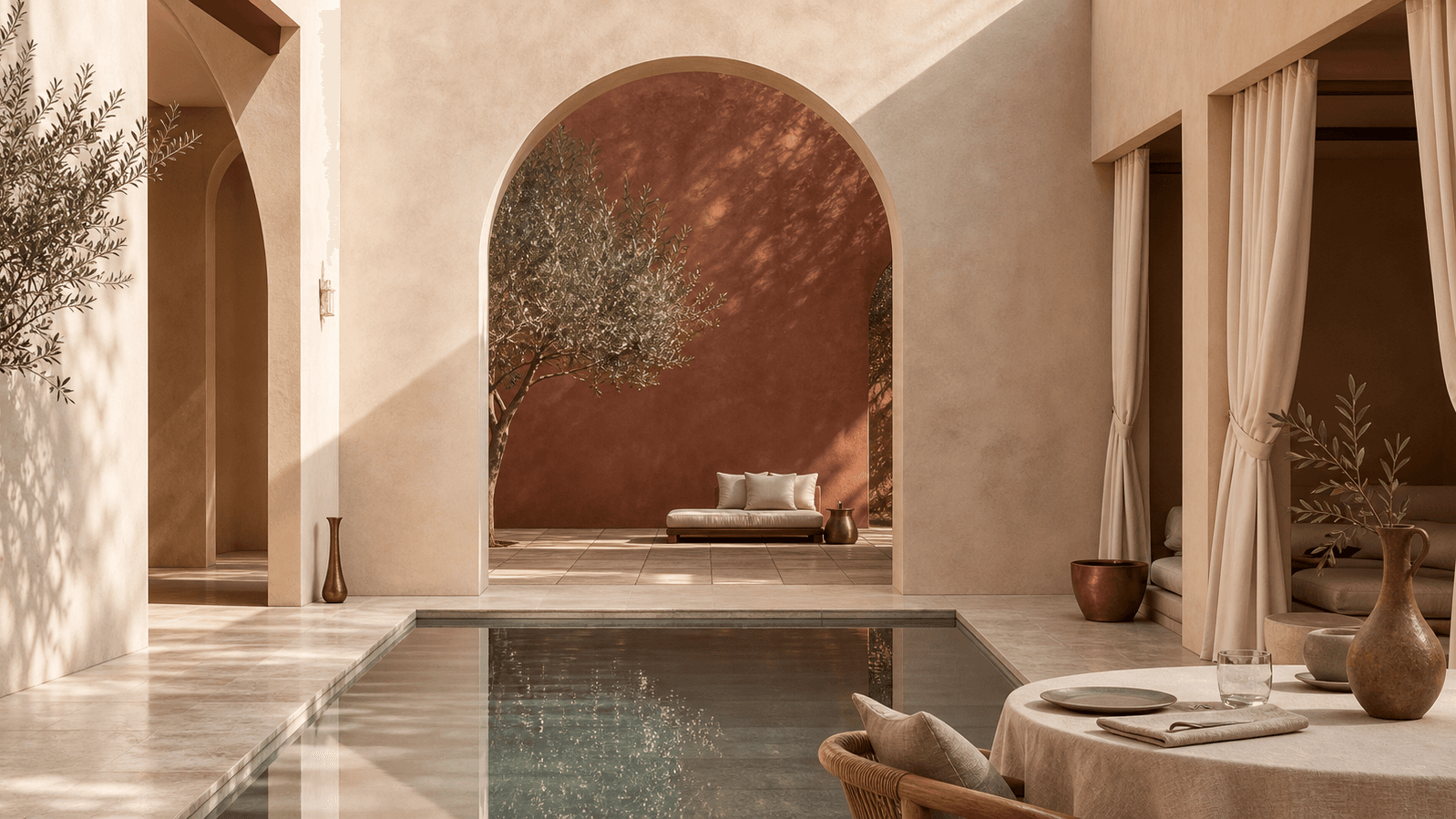
Hospitality Memory Path
A stay is remembered through a sequence of anticipation, arrival, rhythm, and return.
Anticipation
Arrival
Ritual
Return
Designing the Return
The measure of a hospitality brand is not the first photograph. It is whether the guest wants to come back before they have left.
That kind of memory is built through repetition: a tone that holds, materials that age well, and service that knows when not to interrupt.
The Interface Is Part of the Stay
Booking flows, confirmation emails, digital guides, and pre-arrival messages are hospitality touchpoints. They can either lower the guest's shoulders or add one more task to the day.
A considered hotel site does not simply convert. It sets the pace. It tells the guest what kind of attention they can expect once they arrive.
Locality Without Performance
Place matters, but it can become theatrical when every object tries to announce its origin. The more confident move is often quieter: material decisions, service knowledge, food, scent, sound, and a few details that could not belong anywhere else.
Modern hospitality does not need to prove that it has taste at every moment. It needs to make the guest feel that choices were made on purpose.